For most children, the best age to start piano lessons is between 5 and 8. By then, kids can usually recognize numbers and letters, sit for a short lesson and move each finger on its own well enough to press a key cleanly. Children as young as 3 or 4 can enjoy playful, short lessons, and teens and adults can start at any time. The right age depends less on the calendar and more on a few signs of readiness.
Why many kids start between 5 and 8
Playing piano means reading the notes, keeping count and getting ten fingers to do different jobs, all at the same time. That is a lot for a small child. By five or six, though, many children are learning to read at school, so the idea of reading music is not strange to them. Their hands can usually reach five keys, and most can stay focused for a 30-minute lesson.
Kids in this window also have time on their side. A child who begins at six and practices steadily can reach an intermediate level by middle school, when schedules get much busier.
Starting at 3 or 4
The piano is one of the friendliest instruments for very young children. There is no tuning to manage and no special hand position needed to make a pleasant sound. Mozart reportedly started around this age, and many families like the idea of an early start.
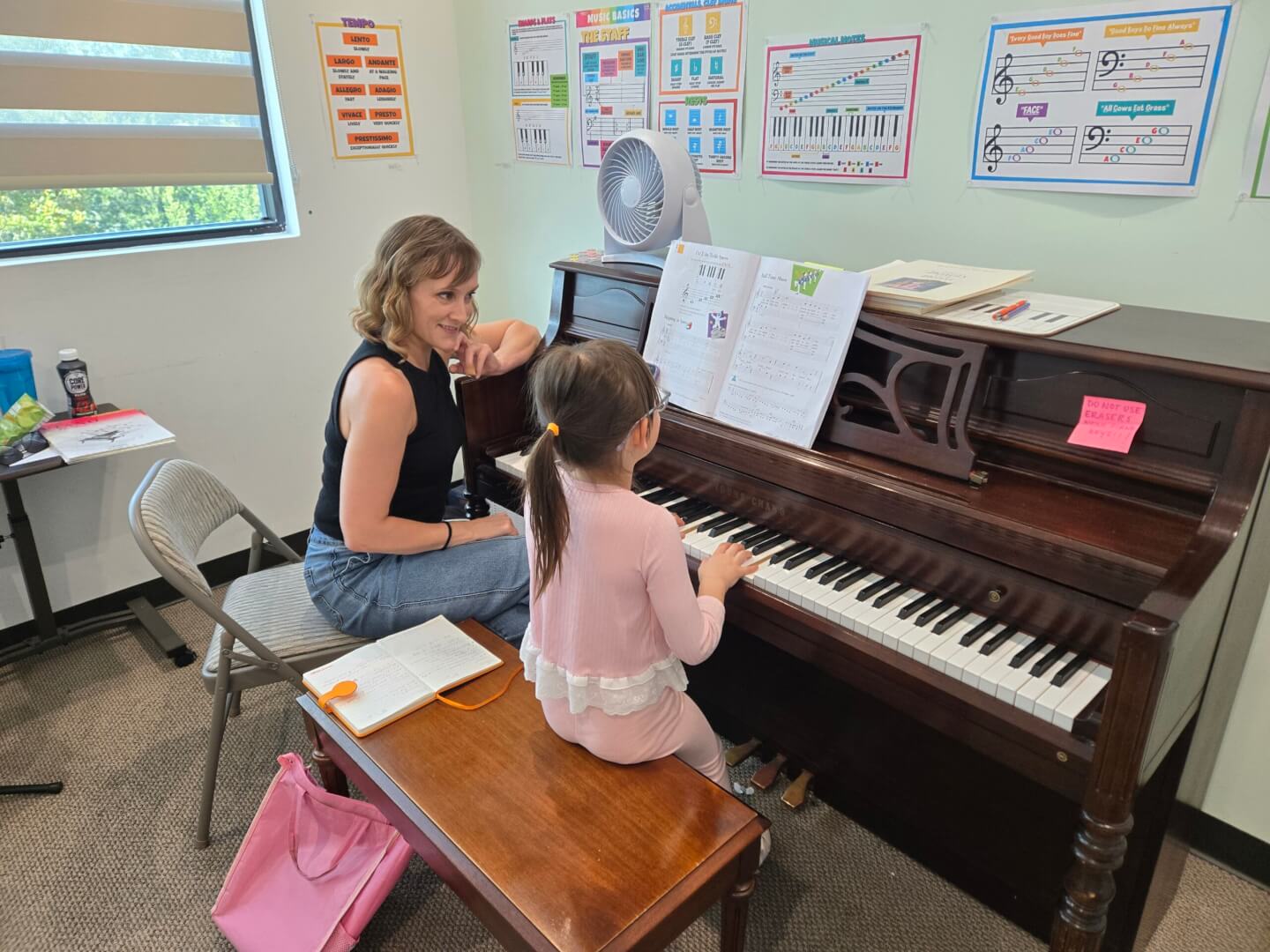
Lessons for preschoolers look different, though. They are shorter, often 15 to 30 minutes, and mix games, singing, rhythm clapping and finding patterns on the keys. Reading music comes slowly. A parent usually needs to sit in on practice at home, because a four-year-old cannot plan their own practice time.
If your preschooler loves banging out tunes at grandma’s house and wants more, a trial lesson is a good way to see whether formal lessons fit now or in a year.
Signs your child is ready for piano
Watch for these everyday clues rather than a specific birthday:
- They can count to ten and know the first letters of the alphabet, A through G.
- They can sit and focus on one activity for 10 to 15 minutes.
- They can lift and press individual fingers, for example tapping each finger on a table.
- They show curiosity, such as picking out melodies or asking to play.
A child who checks most of these boxes will usually do well. A child who checks one or two may simply need a few more months.
Starting piano at 9 to 12
Older beginners are often underestimated. A ten-year-old reads, counts and follows instructions easily, so the first year moves quickly. They also practice more independently. Many students at this age catch up to peers who started earlier within a couple of years, especially if they enjoy the music they are learning.
Teenagers and adults can start too. They often move quickly because they practice on their own and get to choose their own music.
The first year, for parents
Progress in the first year comes in small steps. Early on, a child learns where the notes are on the keyboard, how to count simple rhythms and how to play short tunes with each hand. By the end of the year many children can play simple pieces with both hands, and some of them play in a recital.
Short daily practice matters more than long sessions. Our posts on how often a child should practice piano and whether you need a piano at home can help you set up practice before the first lesson.
Piano lessons for kids in Sugar Land
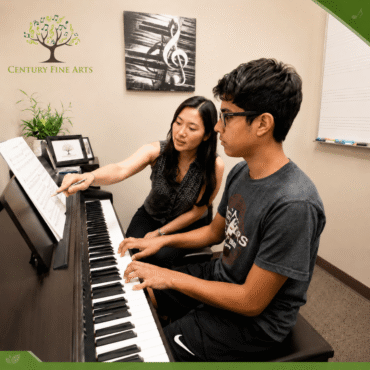
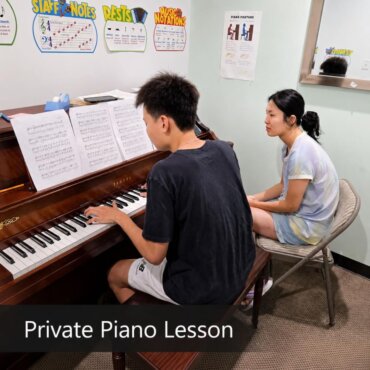
Century Fine Arts offers one-on-one piano lessons for children, teens and adults. Teachers adapt each lesson to the student’s age and attention span, and private-lesson tuition includes ear training and theory classes and the chance to perform in recitals.
Wondering if your child is ready? Bring them in for a free 15-minute trial lesson. Call 832-400-5980 or visit us at 3527 Hwy 6 S., Suite 220, in Sugar Land.