If your child has never taken music lessons before, the lesson itself may not be the part you’re worried about most.
Parents usually have other questions first.
Will my child be tested? Do they need to know how to read music? What if they’re shy? Should we buy an instrument before the first lesson? And how can we tell whether the teacher is actually a good fit?
The good news is that a first private music lesson isn’t about proving how much a student already knows. It’s a chance to find a comfortable starting point.
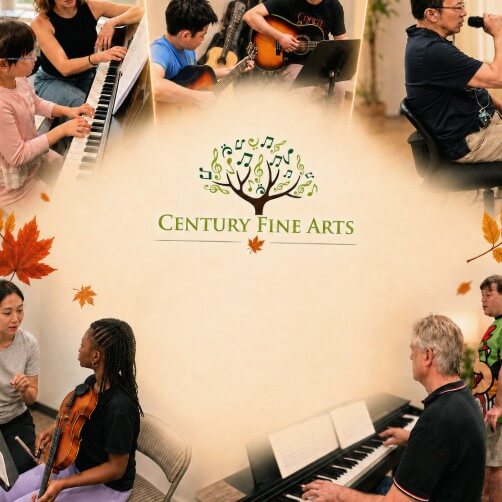
At Century Fine Arts in Sugar Land, students can explore one-on-one instruction in piano, guitar, violin, and voice. For families who are still deciding whether lessons are the right next step, that first meeting can answer a lot of questions that are difficult to answer from a website alone.
Is the First Music Lesson an Audition?
For a beginner, it usually shouldn’t feel like one.
A teacher first needs to understand who the student is. That may include asking about musical interests, previous experience, favorite songs, whether the student has tried an instrument before, and what the family hopes to get from lessons.
Then the teacher may introduce a few simple activities.
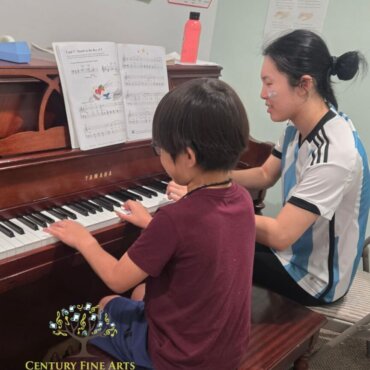
A piano student might explore a few keys or rhythms. A guitar or violin beginner may start with how to hold the instrument comfortably. A voice student may work through a simple vocal exercise.
The point isn’t to perform well. The point is to give the teacher enough information to decide where instruction should begin.
That distinction matters, especially for children who are nervous about doing something new.
Does My Child Need Musical Experience Before Starting?
No previous experience is necessary to make a first lesson useful.
A beginner doesn’t need to arrive already knowing notes, scales, chords, or music theory. One of the teacher’s jobs is to figure out which concepts should come first and how quickly to introduce them.
Students who already have some experience can bring what they’ve been working on. A previous method book, sheet music, or even the name of a piece they’re learning can give the teacher helpful context.
And if your family hasn’t even chosen an instrument yet, that’s okay too.
You can explore the different private music lessons in Sugar Land, including piano lessons, guitar lessons, violin lessons, and voice lessons before deciding.
What Actually Happens During the First Lesson?
Every teacher has a different style, but a useful first lesson will usually answer several basic questions.
Where Is the Student Starting?
A complete beginner and a child who has already studied for two years shouldn’t receive the same lesson. The teacher can use the first meeting to understand the student’s current level and choose an appropriate place to begin.
How Does the Student Respond to Instruction?
Some children learn quickly by watching. Others need to hear an explanation, try something themselves, and repeat it several times.
A private lesson gives the teacher an opportunity to notice those differences and adjust the pace.
What Interests the Student?
A child who is excited about a particular instrument, song, or style of music gives the teacher something meaningful to build on.
What Should Happen Next?
By the end of the lesson, the family should have a clearer idea of what the student could work on and whether continuing with that teacher and instrument makes sense.
A first lesson doesn’t need to cover a lot of material to be productive. One clear next step is often more useful than trying to squeeze an entire beginner curriculum into one meeting.
What Should We Bring to a First Music Lesson?
You probably don’t need a complicated checklist.
If your child already owns a portable instrument that will be used during lessons, ask whether you should bring it. If they have previous music books or sheet music, those may also be helpful.
Most importantly, bring your questions.
Parents sometimes feel pressure to buy an instrument or equipment before the first lesson. Unless you already know exactly what your child needs, it can make more sense to speak with the teacher first.
A teacher can help explain what will actually be useful for practice at home before you make a purchase.
What If My Child Is Shy or Nervous?
A quiet first lesson doesn’t automatically mean music lessons are a bad fit.
Some children walk into a new room and start talking immediately. Others need time to watch, listen, and become comfortable with a new teacher.
Instead of judging the lesson by how much your child played or sang, pay attention to how the interaction develops.
Did your child become a little more comfortable as the lesson continued? Were they willing to try something new? Did the teacher explain things without making mistakes feel like a big deal?
Those details can tell you more than how many notes were played during the first visit.
How Can Parents Tell Whether a Music Teacher Is a Good Fit?
Musical knowledge matters, but parents should also pay attention to communication.
After the lesson, consider a few practical questions:
- Did the teacher explain things in a way your child could understand?
- Did your child feel comfortable asking questions or trying again after a mistake?
- Did the teacher listen to the student’s interests?
- Did the pace feel appropriate?
- Did you leave knowing what the next step would be?
Different students may connect with different teaching styles.
That’s one reason it’s useful to learn more about the music teachers at Century Fine Arts rather than choosing lessons based only on the instrument.
How Much Practice Will My Child Need?
This is one of the best questions to ask during the first lesson.
There’s a big difference between saying, “You need to practice more,” and giving a student one specific task they understand.
For example, a beginner may be asked to repeat a short exercise, work on a small section of a piece, or practice a particular skill between lessons.
A realistic practice routine is usually easier to maintain than an ambitious plan that disappears after the first week.
If your child misses a day, that doesn’t mean the week is lost. A more useful question is: What is the most important thing to work on before the next lesson?
That gives both the student and parent something concrete to focus on.
Questions Worth Asking Before You Leave
A first lesson is also your opportunity to understand how lessons may work going forward.
- What should the student practice at home?
- Does the student need an instrument right away?
- What equipment or materials may be needed?
- How will the teacher decide what to work on next?
- How can parents support practice without turning it into an argument?
- What should the family expect during the first few weeks?
You don’t need every detail mapped out on day one. You simply want enough information to understand what the next step looks like.
What Should We Ask Our Child After the First Lesson?
Try not to make the entire decision depend on one question: “Did you like it?”
Children may say yes because something was new. They may say no because one exercise was difficult.
More specific questions usually tell you more:
- What was the most interesting part?
- Was anything confusing?
- Did you understand the teacher’s explanations?
- Would you like to try another lesson?
- Do you still want to learn this instrument?
Those answers can help parents separate normal first-day nerves from a genuine mismatch between the student, teacher, or instrument.
A Trial Lesson Can Make the Decision Easier
Parents don’t have to figure everything out before walking through the door.
A first lesson can help your family see how your child responds to the instrument, the teacher, and the learning environment in real life.
Century Fine Arts offers families in Sugar Land the opportunity to book a free trial music lesson for piano, guitar, violin, or voice.
Use that first meeting for what it’s meant to do: ask questions, watch how your child responds, and leave with a clearer idea of what comes next.
Frequently Asked Questions About First Music Lessons
Does My Child Need to Know How to Read Music Before the First Lesson?
No. Beginners can start without knowing how to read music. The teacher can introduce notation and other fundamentals at an appropriate pace.
How Often Should a Beginner Take Private Music Lessons?
Weekly lessons are common because they provide a regular opportunity for instruction and feedback. The right schedule depends on the student, their goals, and the lesson program.
What If My Child Doesn’t Practice Every Day?
One missed practice day doesn’t need to become a problem. Ask the teacher which task matters most that week and focus on keeping practice manageable and consistent.
Should We Buy an Instrument Before the First Lesson?
Not necessarily. If you’re unsure what instrument, size, keyboard, or other equipment your child needs, it can be helpful to ask the teacher before making a purchase.
Can We Meet a Teacher Before Committing to Regular Lessons?
Century Fine Arts offers a free trial lesson, giving families an opportunity to experience the lesson environment and decide whether the teacher and instrument feel like a good match.
Ready to Explore Private Music Lessons in Sugar Land?
If your child is curious about music but you’re still unsure where to begin, start by exploring the private music lessons available at Century Fine Arts, meet the teaching team, or schedule a free trial lesson.
Sometimes the easiest way to answer all those first-lesson questions is simply to experience one.