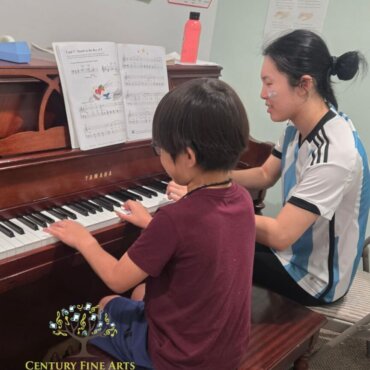

Our teachers’ first choice is a real acoustic piano. When that is not possible because of space or budget, a full-length digital piano with 88 weighted keys and a sustain pedal is a sensible option for a beginner. It does not need tuning, it fits in a smaller room, you can use headphones and it costs less at the start. An acoustic gives a fuller sound and a touch that responds more to the player, and those things matter more and more as a student improves. A good digital piano will usually be fine for the first few years.
The decision usually comes down to five practical questions.
1. How does it feel under the fingers?
Touch is the most important factor. Acoustic pianos use felt hammers that strike strings, and the keys have natural weight and resistance. Students learn to control loud and soft by how fast and deep they press.
Digital pianos imitate this with weighted or “hammer action” keys. The better ones feel close to an acoustic. Cheap keyboards with light, springy keys feel very different, and students who practice only on them often struggle to play evenly on a real piano at lessons or recitals.
What to look for in a digital piano: 88 full-size keys, graded hammer action (heavier in the bass, lighter in the treble) and a real sustain pedal, not a small square footswitch if you can avoid it.
2. How does it sound?
An acoustic piano makes its sound with real strings and a wooden soundboard, and the sound fills the room. A digital piano plays back recordings of a piano through speakers. The recordings themselves are very good now, but cheaper models often have small speakers that sound thin when the volume is down.
For a beginner, sound quality affects motivation more than technique. A piano that sounds pleasant makes a child want to sit down and play.
3. How much space and noise can your home handle?
Uprights are tall and heavy, and moving one usually requires professional movers. Digital pianos are slimmer and lighter, which helps in apartments and smaller rooms.
Think about noise as well. Headphones on a digital piano mean late practice will not wake anyone up. Acoustic pianos are loud in small rooms, though many come with a practice pedal that makes them quieter.
4. What maintenance will it need?
Acoustic pianos need tuning, usually once or twice a year, plus occasional repairs. Houston’s humidity makes this especially relevant. Big swings between humid outdoor air and air-conditioned rooms can push a piano out of tune and, over time, affect wood and felt. Keeping the piano away from exterior doors, windows and air vents helps.
Digital pianos need no tuning. They do need power, and electronic parts can wear out after many years.
5. What is the real cost?
New acoustic pianos cost significantly more than most digital pianos, though used uprights can be affordable. Be cautious with free or very cheap old pianos. Some need expensive repairs, and a piano that cannot hold its tuning is frustrating for a beginner. Have a piano technician inspect any used acoustic before you buy.
A well-chosen digital piano usually costs less up front and has no tuning bills, which makes it a lower-risk start for a family still testing a child’s interest.
So which should a beginner choose?
Choose a digital piano if you need flexibility, quiet practice, a smaller footprint or a lower starting cost, and buy one with weighted keys.
Choose an acoustic if you have room, can maintain it, and want the best possible touch and sound, or if a good instrument is already in the family.
Many families start with a digital piano and upgrade to an acoustic once the student has played for a few years and loves it. Our earlier post on whether you need a piano at home to start lessons covers what to do in the very first weeks.
Ask a teacher before you buy
Bring questions to your first lesson. Teachers see many instruments and can tell you whether a specific model or a used piano is a good fit for your goals.
Century Fine Arts offers private piano lessons in Sugar Land for children, teens and adults. Book a free 15-minute trial or call 832-400-5980.