Why Everyone Should Learn to Sing
by Sean Stone-Ashe
We often speak about learning a musical skill as a long term pursuit of artistry and passion, but we rarely think of learning a musical skill for its practicality. As a musician, there is perhaps no skill more practical than the ability to sing. Even for non-musicians it can be similarly practical to be able to carry a tune or sing at a reasonable level.
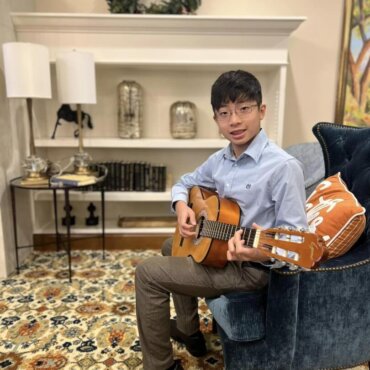
In my life, the ability to sing became remarkably important when I somewhat abruptly decided to switch my full time teaching career from guitar and piano to choir. If I had not had a background in singing from my time in school and college, there is no way I could have taken on this position.
While my example is a bit drastic, there are many practical reasons why both serious musicians and non-musicians should learn to sing.
Social Situations Involve Singing
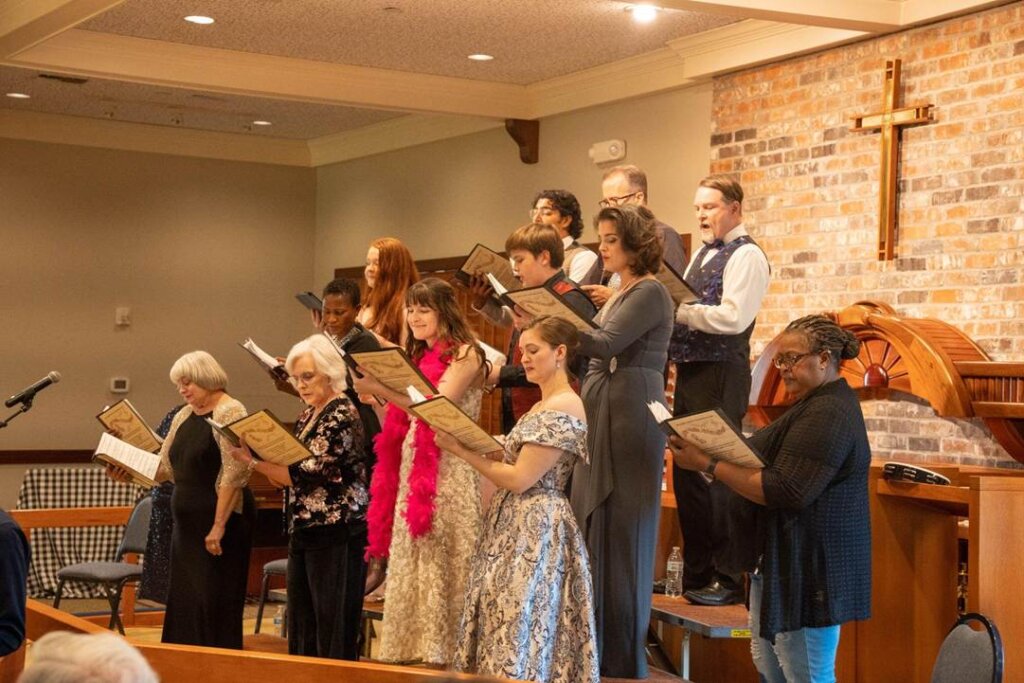
Throughout daily life, singing is a natural part of many social situations. Singing is typically part of a weekly worship service. You may find yourself at a party where everyone is singing along to a particular song, or even singing Happy Birthday on someone’s special day.
On a very casual level, you may want to demonstrate the way a piece of music sounds to someone in the middle of a conversation. Or perhaps you simply want to sing while doing chores around the house.
In each of these situations, feeling like you are incapable of singing or being overly embarrassed about singing will cause stress and social anxiety. By working on learning how to match pitch and sing along with songs, you can quickly reach a level of singing competence where you could participate without worry in just about any social situation requiring song.
Improve Your Musical Ear
If you are an instrumental musician, it can be particularly helpful to learn how to sing in order to become a better player of your instrument. This is especially true if your instrument requires some amount of tuning as you play (which is most instruments)!
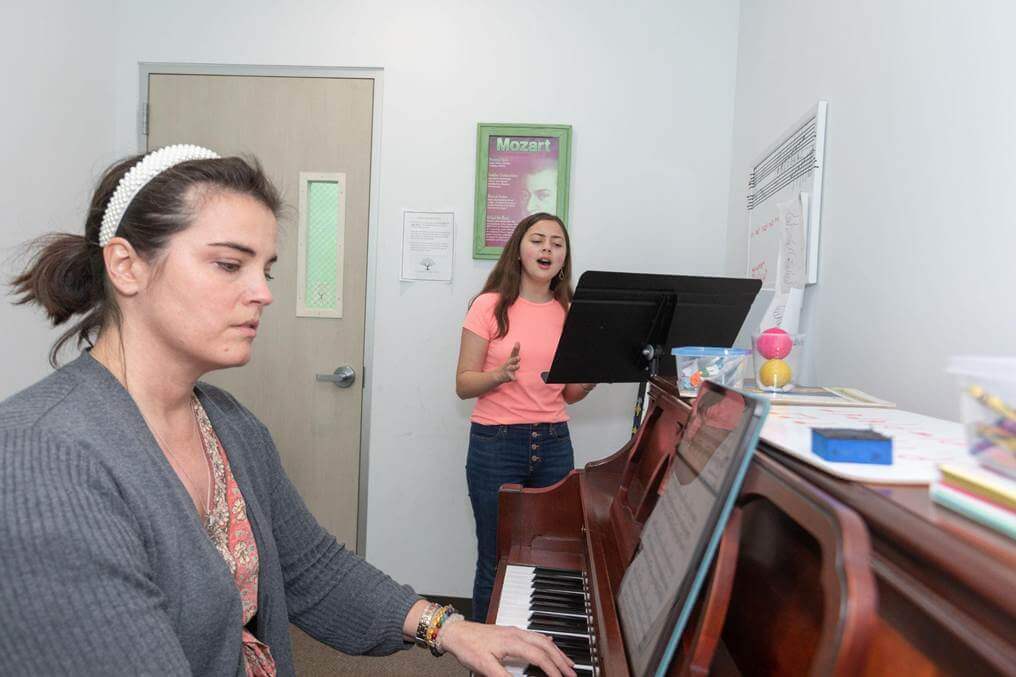
When you sing, you have to use your ears to create the exact pitch required to sing in tune. If you are even off by a slight amount, the music will suffer. This means that good singers develop a very precise ear to be able to find and reproduce exact sounds with their voice.
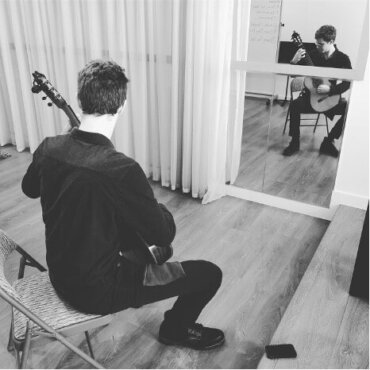
By developing your ear in this way, you will be able to more precisely tune your instrument. For me as a guitarist, this means I can tune my strings by ear better and hear when they need adjustment with better precision.
If you play the violin, you have to make sure every note you play is in tune because there are no frets that help to make a more exact sound. This means that through a combination of muscle memory and listening, you have to be incredibly precise in your left hand placement in order to play in tune.
For beginning musicians, having the ability to hear these subtle differences is challenging. Without spending time properly training your ear, you may never develop these skills and will always be held back as a musician.
However, singing requires the constant engagement of your ear, and will quickly give you the skills necessary to have great intonation on your instrument.
View Instrumental Music Through a New Lens
Depending on which instrument you play, the human voice may make music in ways that are wildly different. This is certainly true for me as a guitarist. Other instruments that are particularly different from vocal music are piano and percussion. These instruments all share percussive qualities, and they do not allow you to sustain notes or crescendo within a single note.
This means that by learning how to sing will alter the way you experience making music quite drastically. By having these differing experiences you can become a more well-rounded and intuitive musician.
I can say that since beginning teaching choir all day, I have had a noticeably different approach to the guitar ensemble music I have rehearsed. I start to think of what I would do with each guitar part if I were to sing the notes, and it provides a richer and more nuanced shaping of lines than I may have had previously.
For all of these reasons, singing is a wonderful skill to learn that is as practical as it is artistic. Any musical skill is a fulfilling way to spend your time, but I think we often overlook how functional certain artistic skills can be in our daily life even if we don’t use them in a professional capacity. On some level, art and music is simply a part of life and we should all aspire to be confident and able to participate in singing when the time comes!