by Sean Stone-Ashe
Musicians are amazing! If you have ever tried to learn a musical instrument or give a musical performance, you’ll know that it is unbelievably challenging to become accomplished in this discipline. However, for successful musicians, the high standards of music-making can be overcome by passion, dedication, and acquiring personal skills that aid in music but are broadly applicable to both personal and professional lives. This blog will discuss some of those skills and their applications beyond the world of music.
- Sticking to a Routine with Consistency
In order to be successful in music, students must be able to attend lessons on a weekly schedule and maintain a daily practice schedule at home. It sounds like a simple path to success, but so many students struggle at first to achieve that level of consistency. After all, it’s always easier to be lazy than it is to be productive.
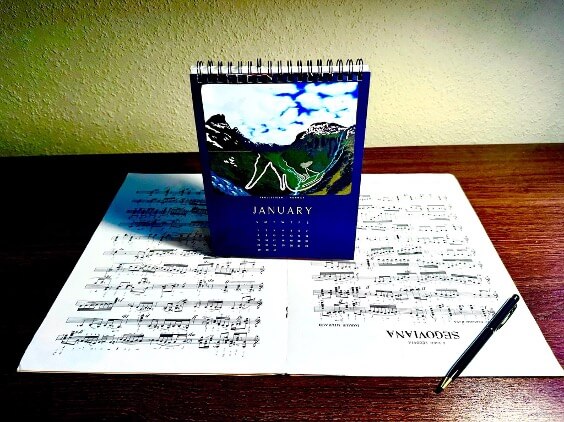
However, once students learn the value of consistency by forming daily practice habits, they experience both increased musical growth and improved self-esteem from this accomplishment. Forming this daily routine is also a crucial life skill they can use in adulthood.
Whether it’s a daily fitness routine, taking time to cook a healthy meal, or even dedicating time each day to a hobby or personal relationship, the ability to establish and maintain daily routines is fundamental to a healthy and happy life.
When I think back to my own childhood, I struggled to form daily routines outside of what was strictly required by school and other obligations (and my daily dose of video games). It was my journey through music that helped me learn the value of enforcing my own daily routines, and I am certainly grateful to have learned this important life lesson!
- Attention to Detail
Music is an art form that requires great precision in forming expressive ideas and executing those ideas correctly. In order for music to sound its best, we have to consider every note’s role in a piece of music and make a decision about how exactly it should sound with tone quality, dynamics and articulation.
There is no way to achieve this precision with a lazy attitude and sloppiness. Therefore, musical success relies on mastering the art of attention to detail. This can be accomplished through different avenues such as reading every marking on a score of music, understanding music theory, and receiving and internalizing instructions from their teacher.
Learning how to listen well for instructions and execute details correctly is fundamental to success in acquiring new skills quickly on the job or in your personal life, and increases your aptitude and speed as a learner.

Furthermore, having strong attention to detail is a personality trait that is highly respectable. Whether you are taking the time to proofread an email you send, or putting consistent effort into your personal appearance, your reputation and trustworthiness is in part dictated by your ability to be detail-oriented.
- Sustained Concentration and Self-Control
The ability to sustain deep concentration and execute a piece of music with near-flawless precision is a super power that each musician must strive for. It is a tough lesson to learn, but audiences have a low tolerance for mistakes if you want to make a truly strong impression as a musician.
However, it is immensely challenging to maintain a high level of self-control over a long period of time under pressure. Personally, I think of a piece of music as a step-by-step process containing thousands of small physical steps taking place over the course of a few minutes. If I can remember and stay focused on each one of those many steps, then I will play with confidence and precision. Certainly, I was not born with the ability to control my behavior on such a minute level, but over time I learned how to do it!
This skill can be useful for many other areas in life. Perhaps you aspire to have a profession that is stressful moment-to-moment, and breaking concentration can constitute professional failure. This could include jobs such as a medical professional, law enforcement or military, pilot, or even a middle school teacher like me! Sustained concentration is also crucial to athletics, driving, and many other desirable skills.
P
* * *
Music is a wonderful discipline because its multifacetedness and rigor promote immense personal growth. I have met many impressive people in my life who owe their personal success to their journey through music. Frequently, musicians employ the skills learned from music to enjoy outstanding achievements in their personal and professional lives