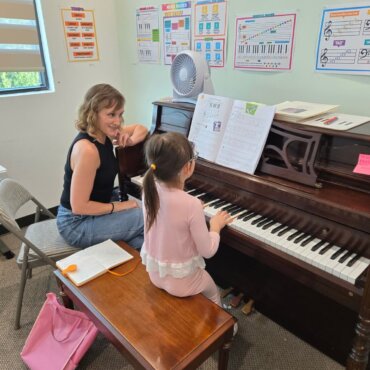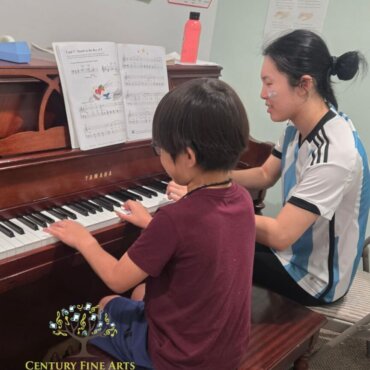
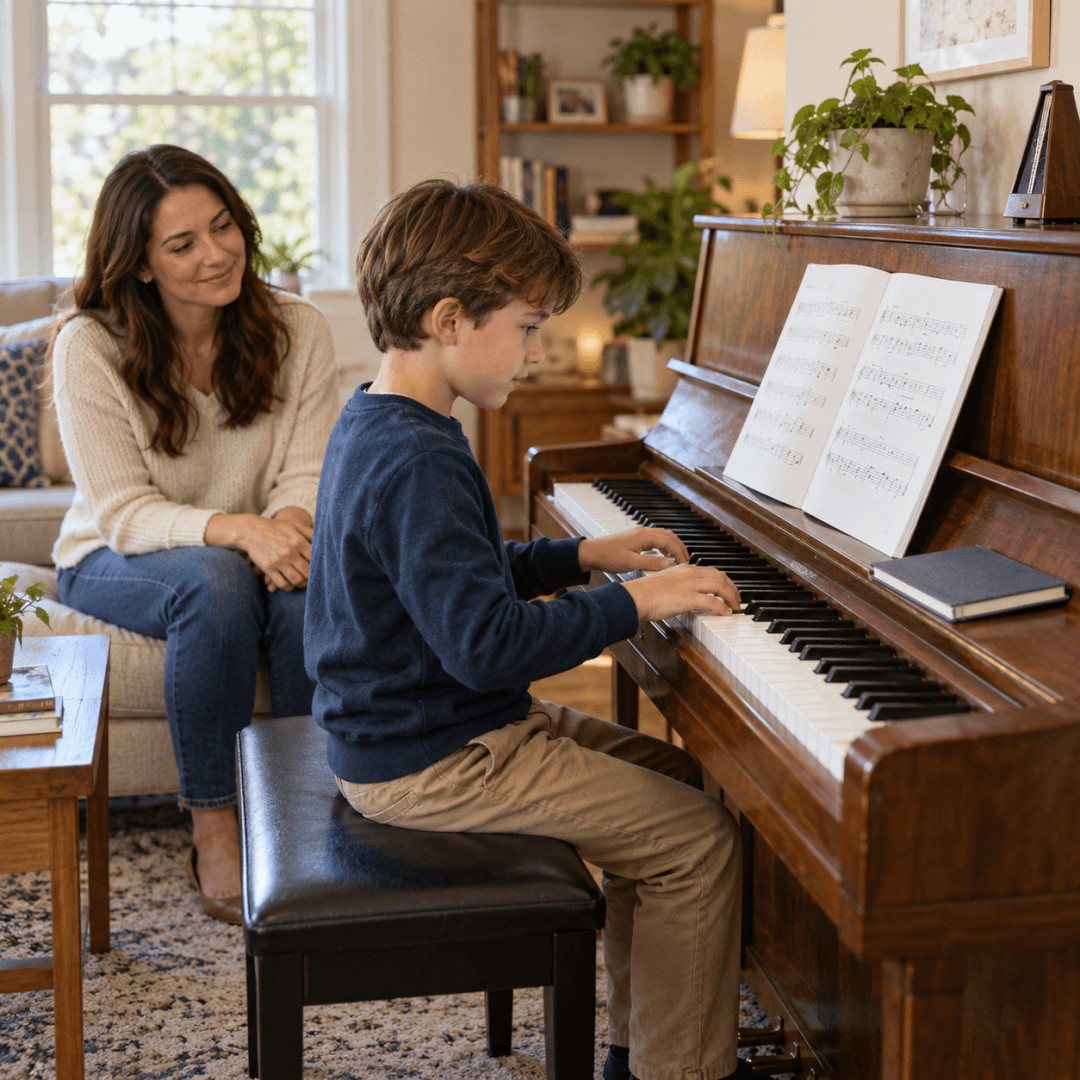
Looking for help with your child’s piano practice? Explore private piano lessons in Sugar Land at Century Fine Arts, or find the school on its Google Business Profile. A good question to ask your child’s teacher is how often to practice between lessons and what each session should include.
A practical goal is a short, focused practice session on most days, adjusted to the child’s experience, attention span, and teacher’s instructions. You don’t need to turn every afternoon into a long rehearsal. Start with a routine your family can realistically maintain.
How Many Minutes Should a Child Practice?
There isn’t one practice length that suits every student. A young beginner learning a few notes needs a different assignment from a student working on longer pieces.
For general context, Yamaha’s guidance for parents of beginning piano students suggests around 20 minutes a day and encourages parents to understand the lesson assignments. Treat that as a reference point, rather than a requirement for every child.
Ask the teacher for a starting duration and a clear stopping point. If the assignment is too difficult to complete comfortably, bring that feedback to the next lesson instead of simply extending practice time.
Give Each Practice Session a Small Goal
“Go practice piano” leaves a child with several decisions to make. Which piece? Which section? What needs attention?
A specific task is easier to begin. Depending on the teacher’s assignment, that might mean:
- Finding the starting notes without help.
- Clapping the rhythm of a short passage.
- Playing two measures slowly with the assigned fingering.
- Reviewing a familiar piece and listening for steady timing.
Keep the teacher’s notes beside the instrument. If an instruction is unclear, write down the question so it can be addressed at the next lesson.
A Simple Practice Routine to Discuss With the Teacher
You can use the following outline as a starting point for a conversation with your child’s instructor:
- Begin with something familiar. Review a short exercise or passage the child understands.
- Work on one assigned challenge. Choose a small section and follow the teacher’s instructions.
- Return to the music. Try that section in context when appropriate.
- Finish with a clear next step. Note what improved and what still needs help.
The teacher may recommend a different order. The purpose is to help your child know what to do when they sit down, without having to organize the entire session alone.
Fit Practice Into an Ordinary School Day
For Sugar Land families balancing homework, activities, and work schedules, the most useful practice plan is one that fits the week you actually have.
Consider a regular time when your child is reasonably rested and the instrument is available. After a snack might work better than immediately before bedtime. Let your child help choose between two realistic options.
Prepare the space beforehand. Keep the music book, assignment notes, and a pencil within reach. Reducing those small interruptions makes it easier to get started.
How Much Should Parents Help?
You don’t have to play piano yourself to support practice. Ask the teacher what your role should be and whether there are particular instructions you should reinforce at home.
You can help your child find the assignment, remember the agreed practice time, and describe a problem to the teacher. Avoid guessing at technical corrections you haven’t been shown.
Make encouragement specific: “You slowed down and worked through that measure” acknowledges something the child did. Leave room for them to notice their own progress too.
What If Your Child Misses a Day?
Return to the usual routine at the next opportunity. Before adding extra time to make up for a missed session, consider whether your child can still work with attention and comfort.
If practice is repeatedly being missed, look at the reason. The schedule may be too crowded, the instructions may be unclear, or the assignment may need adjusting.
Tell the teacher what is happening at home. “We managed three short sessions, but this passage caused frustration each time” gives them something concrete to work with.
When Practice Becomes Frustrating
If your child repeatedly gets stuck, mark the difficult measure and ask the teacher how to approach it. You can also ask whether the task should be broken into smaller steps.
Pause if your child becomes overwhelmed. If playing causes pain or physical discomfort, stop rather than encouraging them to push through it, and address the problem before continuing.
A practice plan should be reviewed as the student develops. What worked during the first few lessons may need to change when the music becomes more demanding.
Build a Routine With Clear Guidance
Start by asking your child’s piano teacher three questions: How often should we practice? What should we work on? How will we know when to stop?
To explore instruction at Century Fine Arts, request an introductory piano lesson and discuss your child’s experience, interests, and home practice needs.